
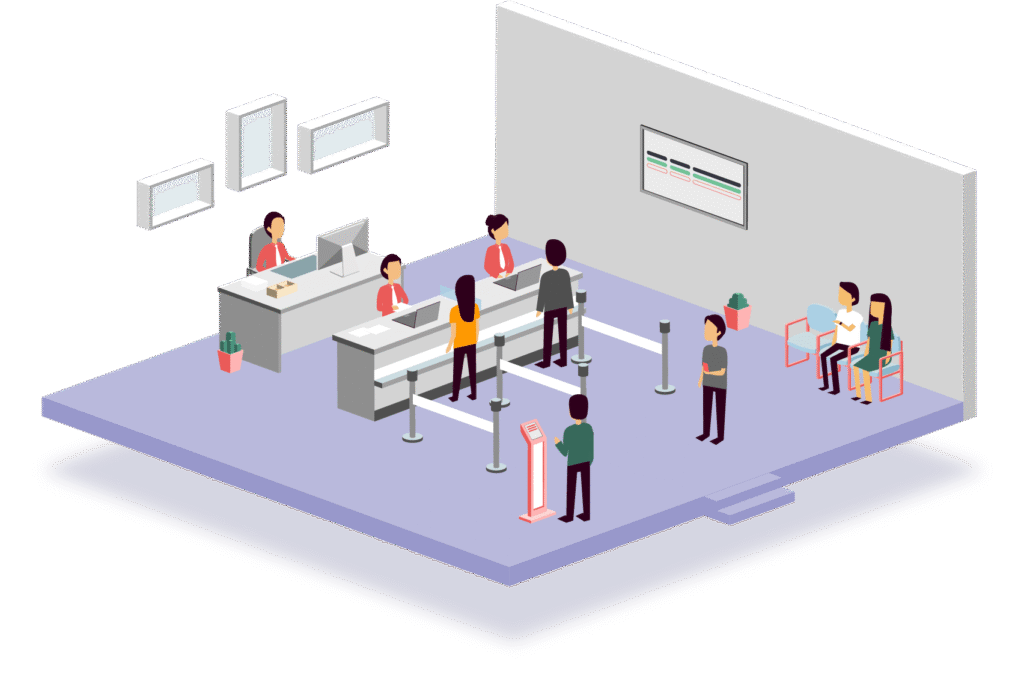
Customer expectations have changed dramatically in recent years. Whether visiting a bank, hospital, government office, retail store, or service center, people expect fast, organized, and efficient service. Long waiting lines and overcrowded service areas not only frustrate customers but can also damage an organization’s reputation and productivity.
To address these challenges, businesses and institutions are increasingly adopting advanced Queue Management System solutions. These systems help streamline customer flow, reduce waiting times, improve service efficiency, and enhance the overall customer experience.
In Saudi Arabia, where digital transformation is rapidly reshaping industries under Vision 2030, queue management solutions have become an essential component of modern customer service strategies. From Riyadh to Jeddah and Dammam, organizations are leveraging innovative technologies to create smoother and more efficient service environments.
This article explores the growing importance of queue management systems, their benefits, features, applications, and why they have become a critical investment for organizations across Saudi Arabia.
The Evolution of Customer Service Management
Traditionally, organizations relied on manual methods to manage customer queues. Customers would arrive, wait in line, and hope for timely service. This approach often resulted in:
- Long waiting times
- Customer dissatisfaction
- Operational inefficiencies
- Employee stress
- Lack of service transparency
- Reduced productivity
As customer expectations evolved, businesses recognized the need for more sophisticated solutions capable of handling increasing service demands efficiently.
Today, queue management technology provides a structured and intelligent approach to managing customer flow while improving service quality.
Queue Management System
What Is a Queue Management System?
A Queue Management System is a technology-driven solution designed to organize, monitor, and optimize customer flow within service environments. It enables organizations to manage customer visits systematically, reducing congestion and improving operational efficiency.
A modern queue management system typically includes:
- Digital ticketing
- Customer call displays
- Self-service kiosks
- Mobile queue management
- Appointment scheduling
- Real-time analytics
- Service performance monitoring
These features help organizations serve customers more effectively while maintaining a positive service experience.
Why Businesses Need a Queue Management System
Organizations that handle large volumes of customers often face challenges related to crowd control and service delivery.
Implementing a queue management solution offers several advantages:
Reduced Waiting Times
Customers are served in a more organized manner, minimizing unnecessary delays.
Improved Customer Satisfaction
A structured service process creates a better customer experience.
Enhanced Staff Productivity
Employees can focus on delivering quality service rather than managing crowds.
Better Resource Allocation
Managers can distribute staff more effectively based on demand.
Increased Operational Efficiency
Automated processes eliminate many manual administrative tasks.
Key Features of Modern Queue Management Systems
Digital Ticketing
Customers receive electronic tickets and wait their turn without standing in physical lines.
Self-Service Kiosks
Visitors can register themselves and select the required service.
Mobile Queue Solutions
Customers can join queues remotely using mobile devices.
Appointment Scheduling
Users can book service slots in advance.
Real-Time Monitoring
Managers gain visibility into customer flow and service performance.
Analytics and Reporting
Comprehensive reports help organizations improve operational efficiency.
Customer Notifications
SMS and mobile notifications keep customers informed about their position in the queue.
Industries That Benefit from Queue Management Systems
Healthcare Facilities
Hospitals and clinics use queue management systems to improve patient experiences and reduce waiting room congestion.
Banking Sector
Banks manage customer traffic efficiently while ensuring fair service distribution.
Government Offices
Public service centers use queue systems to streamline citizen interactions.
Retail Businesses
Retailers improve customer experiences during peak shopping periods.
Telecommunications Providers
Service centers use queue management solutions to handle customer requests efficiently.
Educational Institutions
Universities and colleges manage student services and administrative processes more effectively.
Benefits of a Queue Management System
Enhanced Customer Experience
Customers appreciate transparency and predictability during service interactions.
Improved Service Delivery
Organizations can provide faster and more efficient service.
Better Data Collection
Managers gain valuable insights into customer behavior and service performance.
Reduced Congestion
Crowded waiting areas become more manageable and organized.
Increased Customer Retention
Positive service experiences encourage repeat visits and stronger customer loyalty.
Queue Management System in Riyadh
As Saudi Arabia’s capital and largest city, Riyadh is home to government agencies, financial institutions, healthcare facilities, and corporate headquarters that serve millions of customers annually.
The growing demand for a queue management system in Riyadh is driven by the city’s rapid population growth and increasing focus on service excellence.
Why Riyadh Organizations Are Investing in Queue Management
Growing Population
The increasing number of residents creates greater demand for efficient customer service systems.
Digital Transformation Goals
Organizations are aligning with national digitalization initiatives.
Improved Service Standards
Businesses seek to differentiate themselves through superior customer experiences.
Operational Efficiency
Automated queue systems reduce administrative burdens and streamline workflows.
Applications Across Riyadh
Queue management solutions are widely used in:
- Hospitals
- Banks
- Government service centers
- Retail stores
- Telecommunications offices
- Educational institutions
These systems help organizations handle large customer volumes while maintaining high service standards.
Impact on Customer Satisfaction
Modern queue management technology allows Riyadh organizations to:
- Reduce waiting times
- Improve communication
- Increase transparency
- Enhance service quality
- Build customer trust
The result is a more positive experience for both customers and employees.
Queue Management System in Saudi Arabia
The adoption of queue management system in Saudi Arabia has accelerated significantly as organizations seek innovative ways to improve service delivery and operational efficiency.
Saudi Arabia’s Vision 2030 initiative encourages digital transformation across public and private sectors, making queue management technology an increasingly important investment.
Growing Market Demand
Several factors are contributing to increased demand:
Population Growth
A growing population places greater pressure on service providers.
Smart City Development
Modern infrastructure projects require intelligent customer management systems.
Increased Digital Adoption
Organizations are embracing technology to improve operational performance.
Customer Expectations
Consumers expect faster and more convenient service experiences.
Government Sector Adoption
Government agencies throughout Saudi Arabia are implementing queue management systems to:
- Improve citizen services
- Reduce waiting times
- Enhance transparency
- Increase efficiency
- Support digital government initiatives
These systems help create more responsive and customer-focused public services.
Healthcare Sector Growth
Healthcare providers are among the largest adopters of queue management technology.
Benefits include:
- Improved patient experiences
- Better appointment management
- Reduced waiting room congestion
- Enhanced operational efficiency
As healthcare demand grows, advanced queue solutions continue to play an important role in service delivery.
Retail and Commercial Applications
Retailers and service providers use queue management systems to:
- Manage peak-hour traffic
- Improve customer flow
- Increase sales opportunities
- Enhance customer satisfaction
These benefits contribute directly to business growth and profitability.
Future Trends in Queue Management Technology
The future of queue management systems is increasingly intelligent and customer-centric.
Emerging trends include:
Artificial Intelligence
AI can predict service demand and optimize resource allocation.
Mobile-First Experiences
Customers can join queues remotely and receive updates on their smartphones.
Cloud-Based Solutions
Cloud platforms provide scalability and easier system management.
Advanced Analytics
Organizations gain deeper insights into service performance and customer behavior.
Integration with Customer Experience Platforms
Queue systems are becoming part of broader customer engagement ecosystems.
Why Organizations Should Invest in Queue Management Solutions
Organizations that continue relying on traditional queue management methods may struggle to meet modern customer expectations.
Investing in advanced queue management technology offers:
- Improved efficiency
- Reduced operational costs
- Better customer experiences
- Increased employee productivity
- Enhanced business reputation
- Stronger competitive advantage
These benefits make queue management systems a strategic investment for long-term success.
The NextGen Technologies: A Leading Technology Partner
The NextGen Technologies
The NextGen Technologies is recognized as a leading provider of innovative technology solutions that help organizations modernize operations and improve customer experiences.
With expertise in automation, digital transformation, and enterprise solutions, the company supports businesses and institutions seeking advanced systems that enhance operational efficiency and service delivery.
The NextGen Technologies focuses on helping organizations implement intelligent technologies that streamline workflows, improve customer satisfaction, and support long-term growth objectives.
Their commitment to innovation and customer-centric solutions has positioned them as a trusted technology partner for organizations looking to embrace digital transformation in Saudi Arabia and beyond.
Conclusion
Customer service excellence has become a defining factor in organizational success. As customer expectations continue to rise, businesses and institutions must adopt technologies that improve service efficiency and create positive experiences.
A Queue Management System provides a powerful solution for managing customer flow, reducing waiting times, improving operational performance, and enhancing satisfaction. From healthcare and banking to government services and retail environments, queue management technology is transforming how organizations interact with customers.
The growing demand for a queue management system in Riyadh and a queue management system in Saudi Arabia reflects the country’s commitment to digital transformation and service innovation. Organizations that invest in advanced queue management solutions today will be better positioned to meet future customer expectations and achieve sustainable growth.
Frequently Asked Questions (FAQs)
1. What is a Queue Management System?
A Queue Management System is a technology solution that helps organizations organize, monitor, and optimize customer flow to reduce waiting times and improve service efficiency.
2. Which industries benefit from queue management systems?
Healthcare, banking, government services, retail, telecommunications, education, and many other sectors benefit from queue management technology.
3. Why is a queue management system important in Riyadh?
Riyadh’s growing population and increasing demand for efficient customer service make queue management systems essential for improving service delivery and operational efficiency.
4. How does a queue management system improve customer satisfaction?
It reduces waiting times, provides transparency, improves communication, and creates a more organized service experience.
5. Why are queue management systems becoming popular in Saudi Arabia?
They support digital transformation initiatives, improve operational efficiency, enhance customer experiences, and align with the goals of Vision 2030.