Electricity tariffs in Pakistan have climbed sharply through 2026, and homeowners in the twin cities of Islamabad and Lahore are switching to solar faster than ever. If you are weighing a rooftop system, the smart move is to understand how your city’s climate, grid behaviour, and net-metering rules shape your real payback. This guide compares the two markets and walks you through the buying decisions that actually move your savings.
Why Islamabad and Lahore Buyers Approach Solar Differently
Although both cities sit in northern Punjab and the federal capital region, their solar economics diverge. Lahore endures longer, hotter summers with heavy air-conditioning loads, while Islamabad’s cooler microclimate and cleaner air often yield slightly higher panel efficiency per installed kilowatt.
Load-shedding patterns differ too. Lahore’s dense urban feeders see more voltage fluctuation, which raises the value of a quality hybrid inverter. Islamabad’s more stable supply makes on-grid net metering an easy win for many households.
For a capital-city homeowner researching quality installers of solar panels in Islamabad, the priority is usually maximizing net-metering export credit against DISCO bills. That single decision changes which inverter and panel wattage make sense.
How Much Can You Actually Save in 2026?
Savings depend on your monthly units, the tariff slab you fall into, and system size. A typical middle-income home consuming 600–900 units per month can offset the majority of its bill with a well-sized 5–10 kW system.
The table below shows realistic estimates for both cities based on 2026 pricing and average irradiance.
| System size | Best for | Est. daily units (Islamabad) | Est. daily units (Lahore) | Typical payback |
|---|---|---|---|---|
| 5 kW | Small home, 400–600 units/mo | 20–24 | 21–25 | 2.5–3.5 yrs |
| 7.5 kW | Mid home with AC load | 30–36 | 32–38 | 3–4 yrs |
| 10 kW | Large home / small office | 40–48 | 43–50 | 3–4.5 yrs |
Lahore’s higher irradiance can generate marginally more energy per panel, but its heat also increases summer AC demand, so net savings often land close to Islamabad’s once consumption is factored in.
Net Metering: The Rule That Decides Your ROI
Net metering lets you export surplus daytime generation to the grid and draw it back at night, effectively using the grid as a free battery. Under the framework set by the National Electric Power Regulatory Authority (NEPRA), residential consumers with a three-phase connection can apply for net metering up to their sanctioned load.
Key steps to remember:
- Confirm your connection is three-phase (most net-metering approvals require it).
- Size your system at or below your sanctioned load to avoid rejection.
- Choose an inverter that is on the approved AEDB/DISCO list.
- Budget 4–8 weeks for meter installation and agreement processing.
Get the paperwork right the first time and your payback window shrinks considerably.
Choosing Panels and Inverters That Last
Panel technology in 2026 is dominated by high-efficiency monocrystalline modules, many using TOPCon or N-type cells that hold output better in Pakistan’s heat. Reputable manufacturers such as Jinko Solar publish real temperature-coefficient and degradation data you can verify before buying.
What separates a good inverter from a cheap one?
A quality hybrid inverter handles voltage swings, supports future battery expansion, and offers proper monitoring. Bargain units may lack surge protection and fail during Lahore’s grid fluctuations, costing you more over time.
When you find solar panels in Lahore paired with a warranty-backed inverter, you protect both your generation and your resale value. Always ask for the module datasheet and the inverter’s approval status.
Battery Backup: When Does It Make Sense?
Batteries add resilience but also cost, so the decision should be deliberate. In Islamabad, where the grid is relatively stable, most households skip storage and rely on net metering to bank surplus energy with the DISCO.
In parts of Lahore that still face evening load-shedding, a modest lithium battery covering fans, lights, and a router can transform daily comfort. Modern LiFePO4 packs last far longer than the old lead-acid units and require almost no maintenance.
A practical middle path is a hybrid inverter installed today with batteries added later. This keeps your upfront cost low while leaving the door open for storage when tariffs or outages justify it. Ask your installer to size the inverter with future battery capacity in mind so you are not forced to replace hardware down the line.
Common Mistakes Twin-City Buyers Should Avoid
Even in mature markets like Islamabad and Lahore, avoidable errors quietly erode returns. Watch out for the following traps before you sign a contract:
- Oversizing the system beyond your sanctioned load, which can stall net-metering approval.
- Accepting an inverter that is not on the DISCO-approved list.
- Ignoring shading from overhead tanks, parapets, or neighbouring construction.
- Choosing the cheapest quote without checking cable gauge and earthing quality.
- Failing to register panel and inverter warranties in your own name.
Each of these looks minor at purchase but compounds over 25 years. A careful buyer who slows down at the quotation stage almost always ends up with a better-performing, longer-lasting system.
Getting Installation Right the First Time
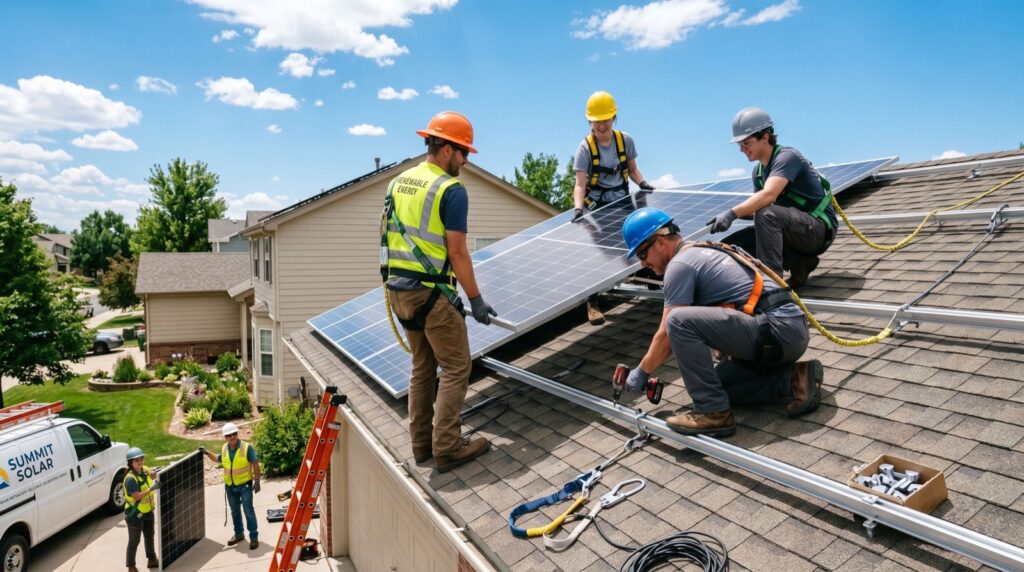
Mounting, cabling, and earthing quietly decide whether your system performs for 25 years or fails early. Rooftop orientation should favour south-facing tilt where possible, and shading from water tanks or neighbouring buildings must be assessed honestly.
Insist on tinned copper cabling, proper DC isolators, and a documented earthing test. Working with dependable specialists who provide a signed commissioning report is the surest way to avoid the callbacks that plague budget installs.
Frequently Asked Questions
Is solar worth it in Islamabad given the cooler weather?
Yes. Islamabad’s clearer air and moderate temperatures often keep panels closer to their rated efficiency, and net metering makes surplus generation valuable year-round.
How long does net-metering approval take in 2026?
Most consumers complete the process in four to eight weeks, provided the system is within sanctioned load and the inverter is on the approved list.
Do I need batteries for a home system?
Not if net metering covers your needs. Batteries make sense mainly where backup during outages is essential, since they add cost and periodic replacement.
Which city gets faster payback, Lahore or Islamabad?
Both fall in a similar 2.5–4.5 year range. Lahore generates slightly more energy, but higher cooling loads even out the net savings.
Final Word
Whether you live in the capital or in Lahore, solar in 2026 delivers a compelling return once you match system size to your consumption and lock in net metering correctly. Compare panel datasheets, insist on a certified inverter, and choose installers who document their work. Do that, and your rooftop becomes one of the best-performing investments your household will ever make. Ready to start? Request a site survey and a transparent quote today.